
Thinking about booking a first aid course but feeling a bit nervous about what you’re walking into? You’re not alone. Whether it’s been years since you last did any formal training, or this is your very first course, it’s completely normal to wonder: What will I actually be doing? Will I look silly? What if I can’t do it?
As a paramedic who’s taught hundreds of first aid courses at Deep Breath Institute, let me walk you through exactly what happens—so you can show up feeling confident and ready to learn.
Before You Arrive: What You Need to Know
Once you’ve booked your course through our online calendar, you’ll receive a confirmation email with all the details:
- Course location: Our permanent training centre at 3/80 Loudon Street, Sandgate, QLD 4017 (or your workplace if you’ve booked corporate training)
- What to bring: Just yourself, comfortable clothing, and a water bottle
- What’s included: All training materials, equipment, lunch (for full-day courses), and your nationally recognised certificate
Pro tip: There’s free parking on-site, and we’re easily accessible by public transport with the Sandgate train and bus station just across the street. Arrive about 10 minutes early to get settled.
Walking Through the Door: First Impressions Matter
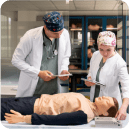
When you arrive, you’ll be greeted by one of our instructors, all of whom are active paramedics, nurses, or emergency service professionals. We’re not just trainers reading from a manual; we’ve actually responded to the emergencies we’re teaching you about.
You’ll check in, grab a tea or coffee, and settle into our purpose-built training space. Unlike online-only providers or trainers who rent community halls, we’ve invested in a permanent training centre specifically designed for hands-on learning.
The atmosphere? Relaxed, supportive, and down-to-earth. We know some people feel anxious, so we make it our mission to put everyone at ease from the start.
The Training Experience: What Actually Happens
It’s Hands-On, Not Death by PowerPoint
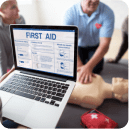
Forget sitting through endless slides. Our courses are built around practical, scenario-based learning. You’ll spend most of your time:
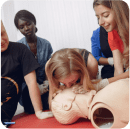
- Practicing CPR on professional manikins
- Applying bandages and dressings
- Managing realistic emergency situations
- Learning techniques you can actually use in real life
Example scenario: You might walk into a room where someone has “collapsed” (one of our trainers playing the role), and you’ll need to assess the situation, call for help, and start CPR. It feels real—because we want you to be ready for real.
You’ll Learn from People Who’ve Been There
Here’s what sets us apart: when I tell you about responding to a cardiac arrest, I’m not reading from a textbook, I’m sharing what I learned on the job as a paramedic. When our nurse instructors talk about managing wound cares, they’ve done it in hospitals and emergency departments.
Real-world experience matters. It means we can answer your “what if” questions with actual examples, not theory.
Small Groups Mean Personal Attention
We keep our class sizes manageable (usually 8-12 people) so you get the attention you deserve. If you’re struggling with a technique, we’ll work with you one-on-one until you’ve got it. No one gets left behind.
What You’ll Actually Learn
Depending on which course you’ve booked, here’s what we’ll cover:
HLTAID011 – Provide First Aid
- CPR for adults, children, and infants
- Managing unconscious casualties
- Bleeding control and wound management
- Burns, fractures, and sprains
- Asthma, anaphylaxis, and allergic reactions
- Heart attacks, strokes, and seizures
- How to use an AED (defibrillator)
HLTAID009 – Provide CPR
- High-quality chest compressions
- Rescue breathing techniques
- Using an AED
- Managing choking emergencies
HLTAID012 – First Aid in Education & Care
Everything in HLTAID011, plus:
- Paediatric-specific emergencies
- Asthma and anaphylaxis management in children
- Legal requirements for childcare and education settings
The Assessment: It’s Supportive, Not Scary
Let’s address the elephant in the room: the assessment.
Here’s the truth: we want you to pass. Our job isn’t to trick you or catch you out, it’s to make sure you’re confident and competent to help someone in an emergency.
What the Assessment Looks Like
- Practical demonstration: You’ll perform CPR and manage a scenario (like treating a bleeding wound or helping someone having an asthma attack)
- Written component: A short quiz covering key concepts—it’s open book, and we’ll guide you through it
- Observation: Throughout the course, we’re watching to make sure you’re practicing techniques correctly
What If I Don’t Pass?
First, this rarely happens. Second, if you need more practice, we offer free resits. We’ll work with you until you’re ready. Remember: we’re on your team.
After the Course: What Happens Next
Once you’ve completed your assessment, you’ll receive your nationally recognised certificate, often on the same day. This certificate is valid for:
- HLTAID009 (CPR): 12 months
- HLTAID011 (First Aid): 3 years
- HLTAID012 (Education & Care): 3 years
You’ll also get access to ongoing support. Have a question weeks later? Call us. Need a refresher? We offer discounted renewal courses.
What Our Students Say
“I was so nervous about doing CPR in front of people, but the instructors made it feel natural. After instruction, I actually felt confident!” — Sarah, Childcare Educator
“Best training I’ve ever done. The scenarios were realistic, and I learned more in one day than I thought possible.” — James, Construction Site Manager
“As someone with a disability, I was worried about keeping up. The team adapted everything to my pace, and I passed with flying colours.” — Michael, NDIS Participant
Common Questions (And Honest Answers)
Q: What if I have a physical limitation or disability?
A: We adapt our training to suit your needs. Just let us know when you book, and we’ll make sure you’re supported.
Q: Do I need any prior experience?
A: Absolutely not. We teach complete beginners every week.
Q: What if I feel faint during CPR practice?
A: Take a break! We have quiet spaces, and our instructors will check in with you. It’s more common than you think.
Q: Can I bring a support person?
A: Yes, if that helps you feel more comfortable. Just let us know in advance.
Ready to Book Your Course?
Now that you know exactly what to expect, there’s nothing standing between you and life-saving skills that could make all the difference one day.
Book your course today:Visit www.deepbreathinstitute.com.au or call us on 0484 112 083
We’re located at 3/80 Loudon Street, Sandgate, QLD 4017—and we can’t wait to welcome you.
Deep Breath Institute is North Brisbane premier first aid training centre, specialising in accessible, hands-on training delivered by active paramedics and nurses. Whether you’re an individual, business, or NDIS participant, we’re here to build your confidence and skills.